tumbling4986@lemmy.ca to Technology@lemmy.worldEnglish · 1 day agoUbuntu stopped being the lightweight Linux distro, and Linux Mint filled the gap it left behindwww.xda-developers.comexternal-linkmessage-square75linkfedilinkarrow-up1367arrow-down178
arrow-up1289arrow-down1external-linkUbuntu stopped being the lightweight Linux distro, and Linux Mint filled the gap it left behindwww.xda-developers.comtumbling4986@lemmy.ca to Technology@lemmy.worldEnglish · 1 day agomessage-square75linkfedilink
minus-squarepizza_the_hutt@sh.itjust.workslinkfedilinkEnglisharrow-up2·1 day agoI feel like this was true maybe 10-20 years ago, but any semi-recent desktop or laptop can run KDE or Gnome fine. If you are running an SBC with limited RAM, then maybe you should look at another desktop GUI.
minus-squareEm Adespoton@lemmy.calinkfedilinkEnglisharrow-up7·1 day agoAny semi-recent desktop or laptop has no need of a lightweight Linux. That’s for embedded solutions, rPis, and other resource constrained systems. Having said that, in 2026 and going forward, we may have need of lightweight desktop distributions again. 64GB storage, 4GB RAM style.
minus-squareNewNewAugustEast@lemmy.ziplinkfedilinkEnglisharrow-up1·5 hours ago3gb ram is plenty for current KDE. A browser has become the biggest enemy of resources these days.


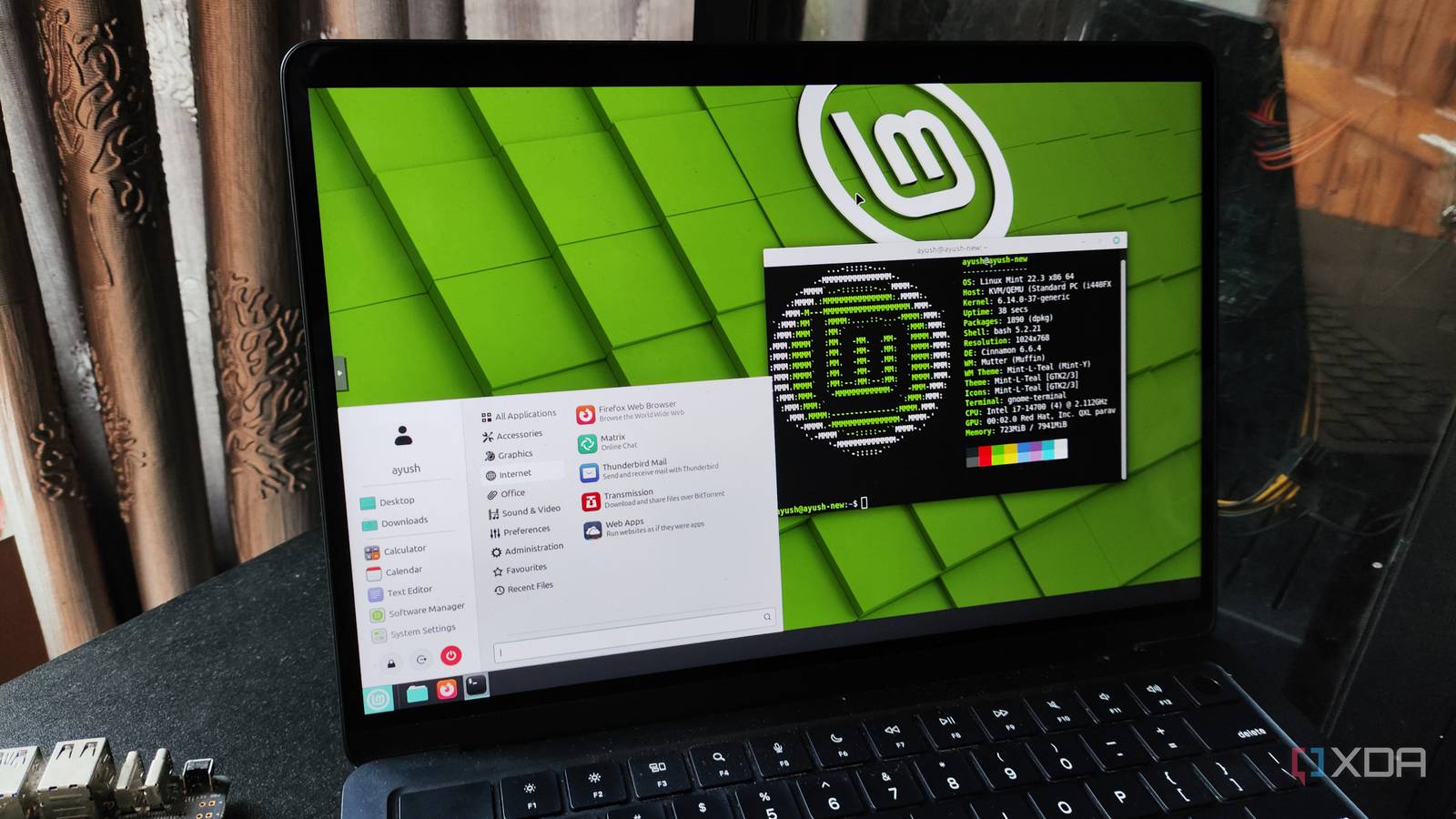
I feel like this was true maybe 10-20 years ago, but any semi-recent desktop or laptop can run KDE or Gnome fine. If you are running an SBC with limited RAM, then maybe you should look at another desktop GUI.
Any semi-recent desktop or laptop has no need of a lightweight Linux. That’s for embedded solutions, rPis, and other resource constrained systems.
Having said that, in 2026 and going forward, we may have need of lightweight desktop distributions again. 64GB storage, 4GB RAM style.
3gb ram is plenty for current KDE. A browser has become the biggest enemy of resources these days.