the big win is that it can re-encode existing jpegs to shrink them by like 30%. also the image is compressed spatially (i think that’s the word) so it can be displayed as it’s downloading rather than coming in line by line.
I think many of us have several GBs of JPEGs that have accumulated over the years. It would be nice to shrink them a bit.
However I wouldn’t do it until the majority of my software supports it. At least with JXL, you can transcode it back to legacy jpeg without losing quality
Re-encoding from JPEG to AVIF will always drop quality. Lossless re-encoding from JPEG to JPEG XL makes a pixel perfect reproduction, while shrinking file size.
jxl can also extract the original jpeg bit-for-bit, meaning you can save space on disk and still serve exactly the same images as some clients expect. no rewrites.


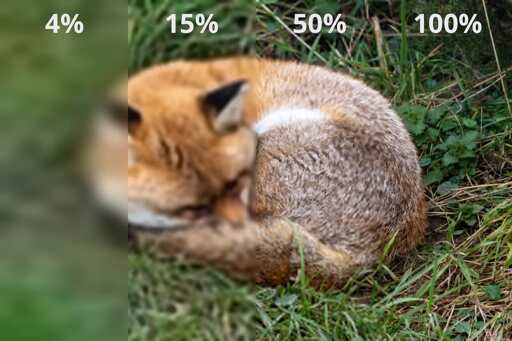
the big win is that it can re-encode existing jpegs to shrink them by like 30%. also the image is compressed spatially (i think that’s the word) so it can be displayed as it’s downloading rather than coming in line by line.
I think many of us have several GBs of JPEGs that have accumulated over the years. It would be nice to shrink them a bit.
However I wouldn’t do it until the majority of my software supports it. At least with JXL, you can transcode it back to legacy jpeg without losing quality
The biggest hurdle are messengers, especially including cross-platform support and mobile devices.
Does the lossless transcode work both ways? Thought it was only jpg -> jxl
There seems to be a “JPEG reconstruction” feature that gets the original JPEG back.
But if you’re going through the trouble of re-encoding you might as well re-encode to AVIF, no?
Re-encoding from JPEG to AVIF will always drop quality. Lossless re-encoding from JPEG to JPEG XL makes a pixel perfect reproduction, while shrinking file size.
jxl can also extract the original jpeg bit-for-bit, meaning you can save space on disk and still serve exactly the same images as some clients expect. no rewrites.