

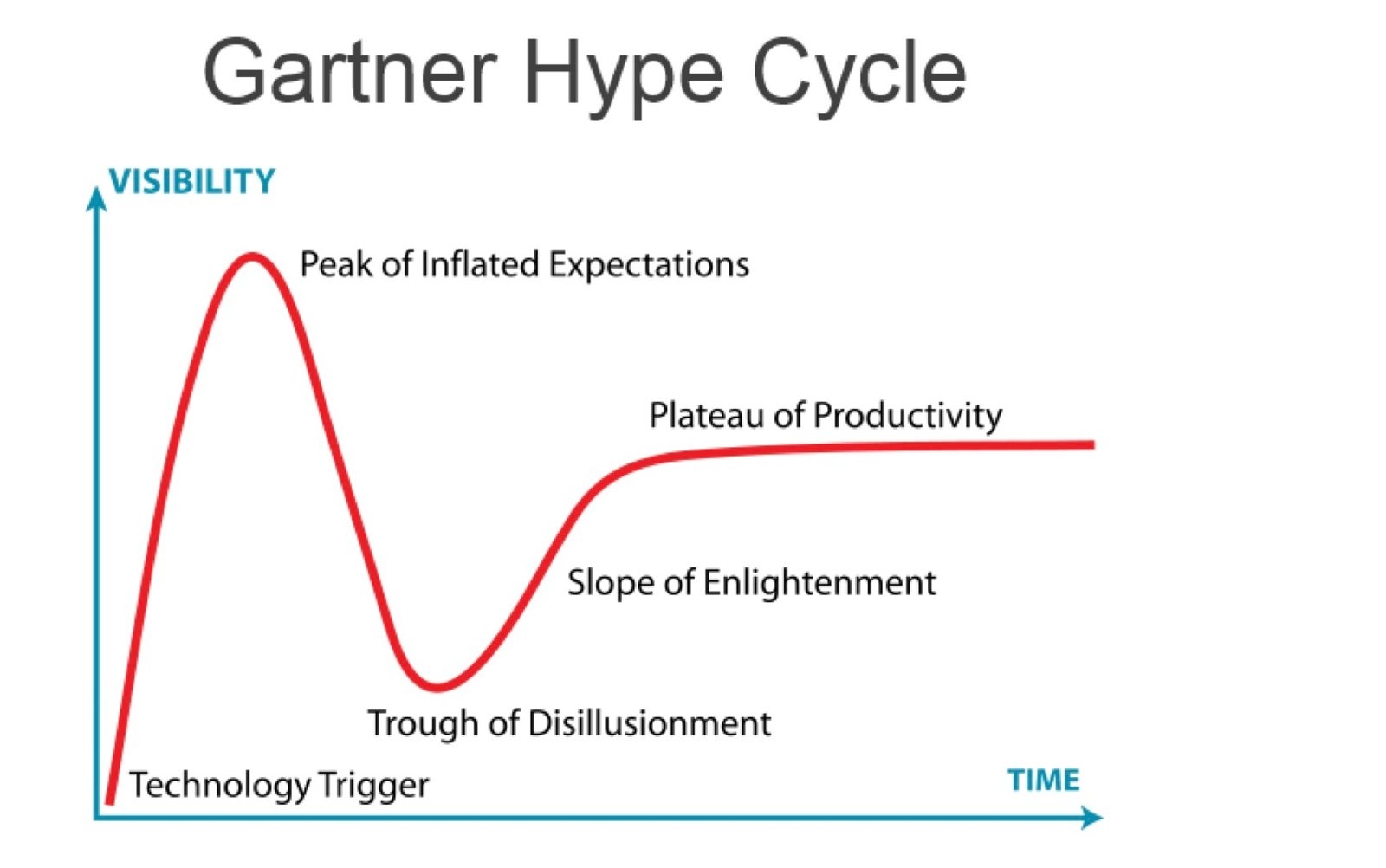
Personally I find quantum computers really impressive, and they havent been given its righteous hype.
I know they won’t be something everyone has in their house but it will greatly improve some services.
Personally I find quantum computers really impressive, and they havent been given its righteous hype.
I know they won’t be something everyone has in their house but it will greatly improve some services.
It’s debatable if D-Wave is actually a quantum computer at least in the sense most people use the term. There’s a lot of unanswered questions still on exactly how to use and design a quantum computer and we’re not likely to get those answers until we can reliably produce and run systems with at least 8 qubits. Maybe DARPA and the military/CIA has such systems, but I don’t think anyone else does.
Quantum computers are still mostly theoretical. We have some of the building blocks of one, but there’s still a few critical pieces missing. Quantum computers are in about the same place as fusion reactors are. Theoretically possible but not currently producible in a form that’s useful without a few more technological breakthroughs.
If the computers are using qubits instead of bits as processing power, then they’re a quantum computer, as far as i understand.
I think IBM’s most recent chip has a thousand qubits hang on-
IBMs quantum computer has 1121 cubits in their heron chip now in the quantum computer they’re producing now and are working toward 100,000 qubits per processor in the next decade.
https://www.forbes.com/sites/technology/article/top-quantum-computing-companies/
From your article,
Until quantum computing has its Alan Turing moment it will remain a curiosity. The power of qubits needs to be yoked as a beast of burden for computation and actual useful problem solving the way that digital computing was with the Turing machine. It’s not a certainty that this will ever happen.
Sometimes I think that believers in quantum computing’s superiority to digital computing are as silly as those who think we’ve almost proven P=NP. But who knows, both might be valid.
DARPA disagrees and the US has doubled billions of dollars of investment in the last few years testing available quantum computers.
ibm is increasing quantum processing power just like they do with regular computers.
Declaring that quantum computers is not yet a practical reality despite them being real and functioning, progressing and in use is akin to dismissing the wright brothers after their first successful flight.
if people doubted the wright brothers before they built and flew their plane?
understandable.
but doubting them after kitty hawk is popular willful ignorance, or an aversion to logical imagination.
It’s the same common perception about new technology until said tech becomes less-new and widely available, at which point everyone swears they saw it coming a mile away and it’s the only way things could have happened.
Electric cars is another great example, people have been moaning for 20 years that they are impractical and their batteries are difficult to manufacture and their capacity just isn’t up to snuff so they’ll never really take off like gasoline cars, and now everyone with any understanding of the auto industry has pretty much accepted the inevitability of EV dominance.
Okay, I was being somewhat flippant. I don’t discount there seems to be progress in some areas but slow and in low-visibility ways. I could even believe much more powerful quantum computers exist in state facilities around the world. Have they been shown to be useful though or there some bottleneck that prevents them from outcompeting digital computers?
An additional concern of mine is what they are useful for is in rapidly breaking vital digital algorithms like elliptical curve cryptography, and can’t be allowed in public hands for that reason. Someone elsewhere said there were computers with 1100 qubits, why is it taking so long to exploit these machines to do useful work? Or am I mistaken and there is evidence, I would love to see it.
Would a savvy investor put their money in quantum computing now, was the Wright Company a good buy when it first started? This actually has me on a deep dive about historical stock market graphs…