The average consumer doesn’t care why it’s the fastest. For a time, they’ll have a faster chip than their peers. Only people on Lemmy would say “yeah but that’s only because new nm process, so it doesn’t count!”
If the conversation is between chip manufacturers talking shop, that matters. For everyone else, it’s irrelevant.
For even a semi-informed user, it matters. E.g. you can buy the fastest processor (in this single benchmark, which might be or not be important to you) in a Macbook Pro from Apple for $3000.
But knowing that this is only because of the 2nm TSMC node that Apple got first, but Qualcomm, AMD, etc. will also get very soon (a few months), means that you probably will be able to buy an even faster chip in a laptop with Windows or Linux for $2000. Which, depending on what you plan to use the PC, might be just as viable to you.
So I would say it IS important to users to know the facts of the situation in order to make an informed decision on their next purchase.


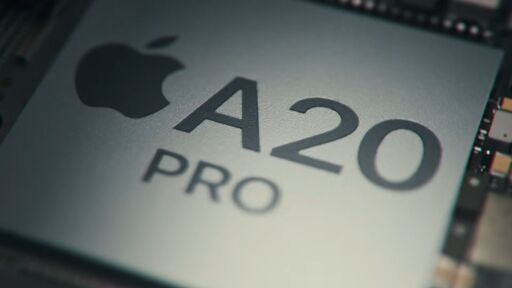

The average consumer doesn’t care why it’s the fastest. For a time, they’ll have a faster chip than their peers. Only people on Lemmy would say “yeah but that’s only because new nm process, so it doesn’t count!”
If the conversation is between chip manufacturers talking shop, that matters. For everyone else, it’s irrelevant.
For even a semi-informed user, it matters. E.g. you can buy the fastest processor (in this single benchmark, which might be or not be important to you) in a Macbook Pro from Apple for $3000. But knowing that this is only because of the 2nm TSMC node that Apple got first, but Qualcomm, AMD, etc. will also get very soon (a few months), means that you probably will be able to buy an even faster chip in a laptop with Windows or Linux for $2000. Which, depending on what you plan to use the PC, might be just as viable to you.
So I would say it IS important to users to know the facts of the situation in order to make an informed decision on their next purchase.