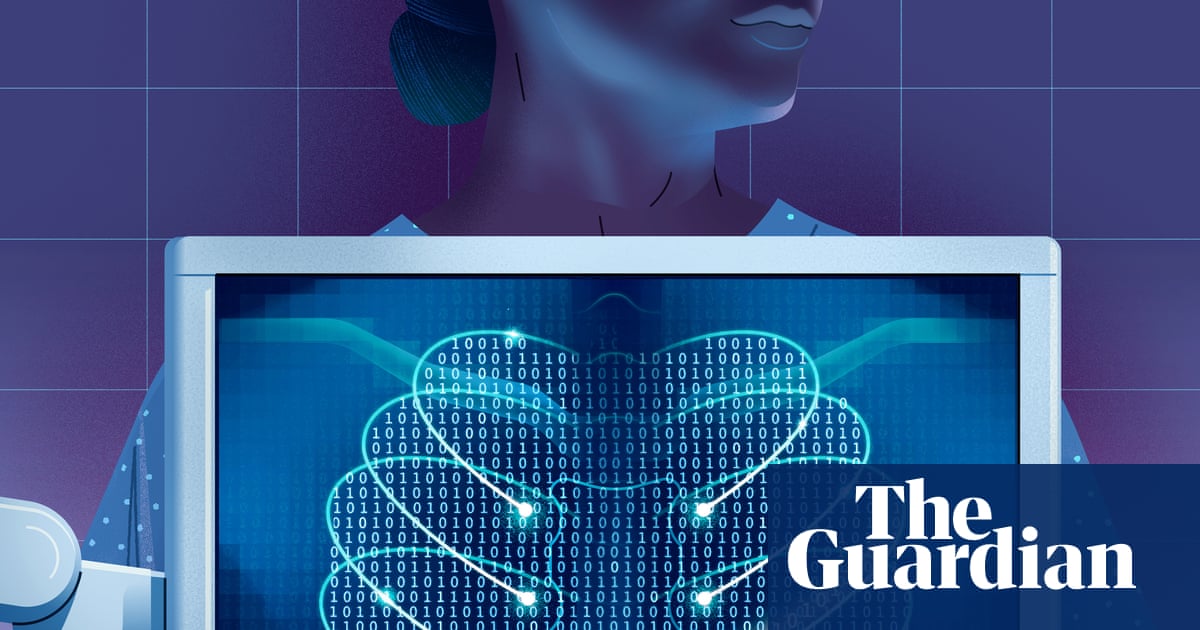
Alongside warnings about its ability to destroy humanity, artificial intelligence is also hailed for its potential to revolutionise health treatment. Just how far can it take us?
Taking this and your other comment into account, your point of view is very much justified. Two things:
The history of AI research has had many “AI winters”, where belief in the usefulness of AI tech has diminished, reducing the amount of funding (and increasing the amount of ridicule) for AI research. “AI effect” is a related term here – it means that the goalpost keeps moving further as we learn that what is sold as AI was instead just a clever algorithm. I’ve been wondering why this term isn’t making rounds again.
“AI” is a misleading term that maybe should be abandoned. But instead of abandoning it, Big AI has stuffed it with steroids. There was a moment of dignity in AI research circles when we didn’t envision a Star Trek future, but instead agreed that AI was a class of algorithms with no real intelligence included. Now it seems that you can be an “AI engineer” after two weeks of product training and qualified to tame the Skynet that is lifting it’s malicious, cunning and indifferent head.
When I refer to AI, I mean what we had in the moment of dignity right before OpenAI and Anthropic burst into the scene. AI algorithms lacked intelligence back then, just as they do today. I wish people had more respect for real human intelligence.


Taking this and your other comment into account, your point of view is very much justified. Two things:
When I refer to AI, I mean what we had in the moment of dignity right before OpenAI and Anthropic burst into the scene. AI algorithms lacked intelligence back then, just as they do today. I wish people had more respect for real human intelligence.