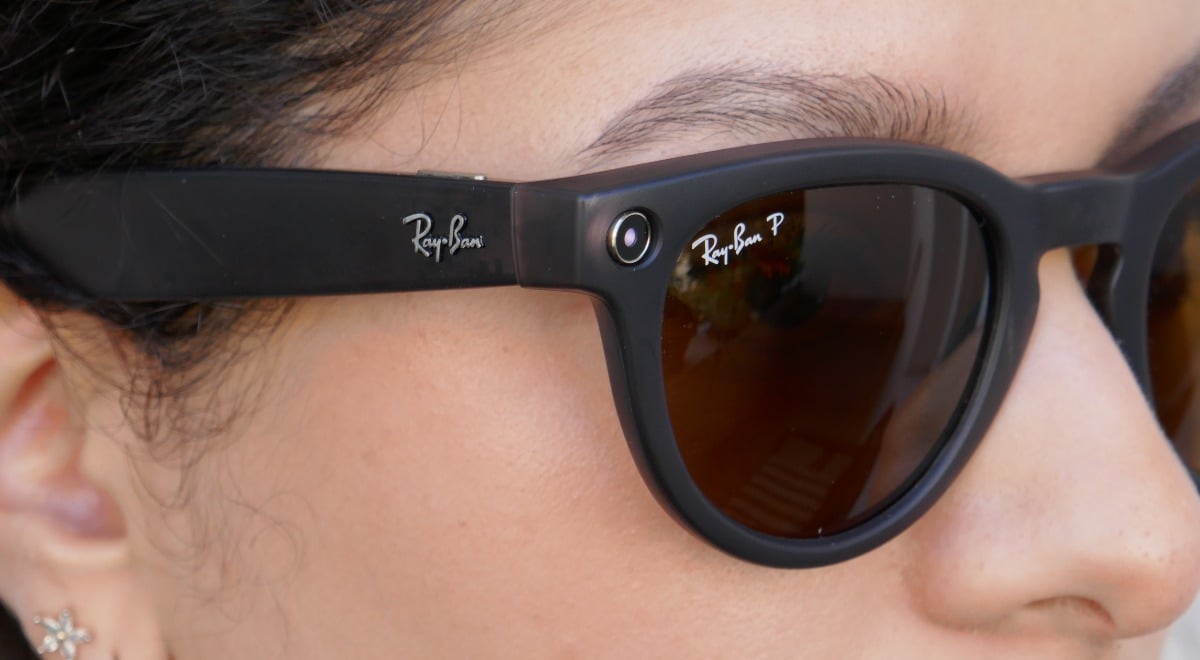
3 public settings could fall under a Hamburg smart glasses ban as lawmakers target covert filming on transit, pools, and saunas. See what rules may change
Speaking as someone currently living in the US, around here you have zero right to privacy in public places, or places that can be seen from public places. Like, to a fucked up level. I could stand at the bottom of your driveway recording through your bedroom window, and it would be legal.
Now, do I think that is good? No. In my opinion it’s taken things to an extreme.
But I also don’t think I should have the power to run over to a tourist and demand they delete their photo because I happened to be in the background.
Is there a middle ground? Absolutely. But that middle ground is where I think the majority of smart glasses users will fall when they hit critical mass.
It’s already illegal to do… illegal things. Why are we making them “doubly illegal” in the hopes that somehow the bad guys are going to listen this time? This isn’t like guns where we are talking about regulating every camera, it’s like banning a desert eagle and calling it a job well done.
Edit: Last sentence is weird but I can’t think of how to reword it this late at night, I hope it makes some sense at least.
i personally enjoy my privacy rights. it’s not like police here don’t use for example dashcam footage. they do. so our privacy rights are already sometimes being ignored in favor of practicality. but glassholes go a step too far. i do not want to be surveilled by a private company 24/7. i do not want male-to-male transgender (a looksmaxxer) chad broski to record women without their consent and then post the video online as power signaling, and to goon over it. make it a free and democratic association using open source hardware and code, and open weights models hosted in the respective country with strong privacy guarantees, and I’m maybe on board again. roll it out very slowly, address issues as they come up and don’t make the product even worse for privacy before regulations can step in, only to call it inevitable and the future and thus regulation-proof when the law has time to catch up. legal repercussions should be severe, as you are violating a fundamental human right.


if violating privacy rights was so important then it should still not be done by facebook
Speaking as someone currently living in the US, around here you have zero right to privacy in public places, or places that can be seen from public places. Like, to a fucked up level. I could stand at the bottom of your driveway recording through your bedroom window, and it would be legal.
Now, do I think that is good? No. In my opinion it’s taken things to an extreme.
But I also don’t think I should have the power to run over to a tourist and demand they delete their photo because I happened to be in the background.
Is there a middle ground? Absolutely. But that middle ground is where I think the majority of smart glasses users will fall when they hit critical mass.
It’s already illegal to do… illegal things. Why are we making them “doubly illegal” in the hopes that somehow the bad guys are going to listen this time? This isn’t like guns where we are talking about regulating every camera, it’s like banning a desert eagle and calling it a job well done.
Edit: Last sentence is weird but I can’t think of how to reword it this late at night, I hope it makes some sense at least.
i personally enjoy my privacy rights. it’s not like police here don’t use for example dashcam footage. they do. so our privacy rights are already sometimes being ignored in favor of practicality. but glassholes go a step too far. i do not want to be surveilled by a private company 24/7. i do not want male-to-male transgender (a looksmaxxer) chad broski to record women without their consent and then post the video online as power signaling, and to goon over it. make it a free and democratic association using open source hardware and code, and open weights models hosted in the respective country with strong privacy guarantees, and I’m maybe on board again. roll it out very slowly, address issues as they come up and don’t make the product even worse for privacy before regulations can step in, only to call it inevitable and the future and thus regulation-proof when the law has time to catch up. legal repercussions should be severe, as you are violating a fundamental human right.