I’ve been following the drama for years. This should’ve happened many years ago but for some reason Google was blocking it in favor of AVIF, which is worse in a number of ways.
The killer feature is that JXL is better in that it can losslessly encode JPEG further, and the overwhelming majority of the legacy image files that people have are JPEG. That alone should justify its support, because there are a lot of files out in the world where the highest quality, closest to “original” quality file is stored in JPEG format. A format that allows for the further compression with zero loss of quality from those originals is really important.
And the other thing this article (and a lot of the discussion around JXL) chooses not to cover is how JXL is a good format outside of just web images. It’s not just looking to replace JPG/PNG/webp. It’s also looking to replace raw photography formats like DNG, TIFF, and other formats that are used for full workflows from image capture from the imaging sensor itself, from cameras to scanners to medical imaging.
If JXL succeeds at becoming the dominant raw capture format, the entire workflow of processing those raw images into exported web-friendly images will favor JXL for photography.


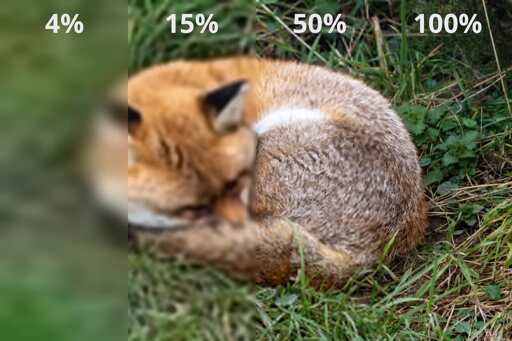
It’s finally happening. Brings a tear to my eye.
I’ve been following the drama for years. This should’ve happened many years ago but for some reason Google was blocking it in favor of AVIF, which is worse in a number of ways.
Looking at the article it seems AVIF is better ok almost every way except progressive rendering.
And lossless compression.
The killer feature is that JXL is better in that it can losslessly encode JPEG further, and the overwhelming majority of the legacy image files that people have are JPEG. That alone should justify its support, because there are a lot of files out in the world where the highest quality, closest to “original” quality file is stored in JPEG format. A format that allows for the further compression with zero loss of quality from those originals is really important.
And the other thing this article (and a lot of the discussion around JXL) chooses not to cover is how JXL is a good format outside of just web images. It’s not just looking to replace JPG/PNG/webp. It’s also looking to replace raw photography formats like DNG, TIFF, and other formats that are used for full workflows from image capture from the imaging sensor itself, from cameras to scanners to medical imaging.
If JXL succeeds at becoming the dominant raw capture format, the entire workflow of processing those raw images into exported web-friendly images will favor JXL for photography.