I mean i < 10 isn’t wrong as such, it’s just good practice to always use <= because in the INT_MAX case you have to and everything should be regular because principle of least astonishment: That 10 might become a #define FOO 10, that then might become #define FOO INT_MAX, each of those changes look valid in isolation but if there’s only a single i < FOO in your codebase you introduced a bug by spooky action at a distance. (overflow on int is undefined behaviour in C, in case anyone is wondering what the bug is).
…never believe anyone who says “C is a simple language”. Their code is shoddy and full of bugs and they should be forced to write Rust for their own good.
But your case is wrong anyways because i <= INT_MAX will always be true, by definition. By your argument < is actually better because it is consistent from < 0 to iterate 0 times to < INT_MAX to iterate the maximum number of times. INT_MAX + 1 is the problem, not < which is the standard to write for loops and the standard for a reason.


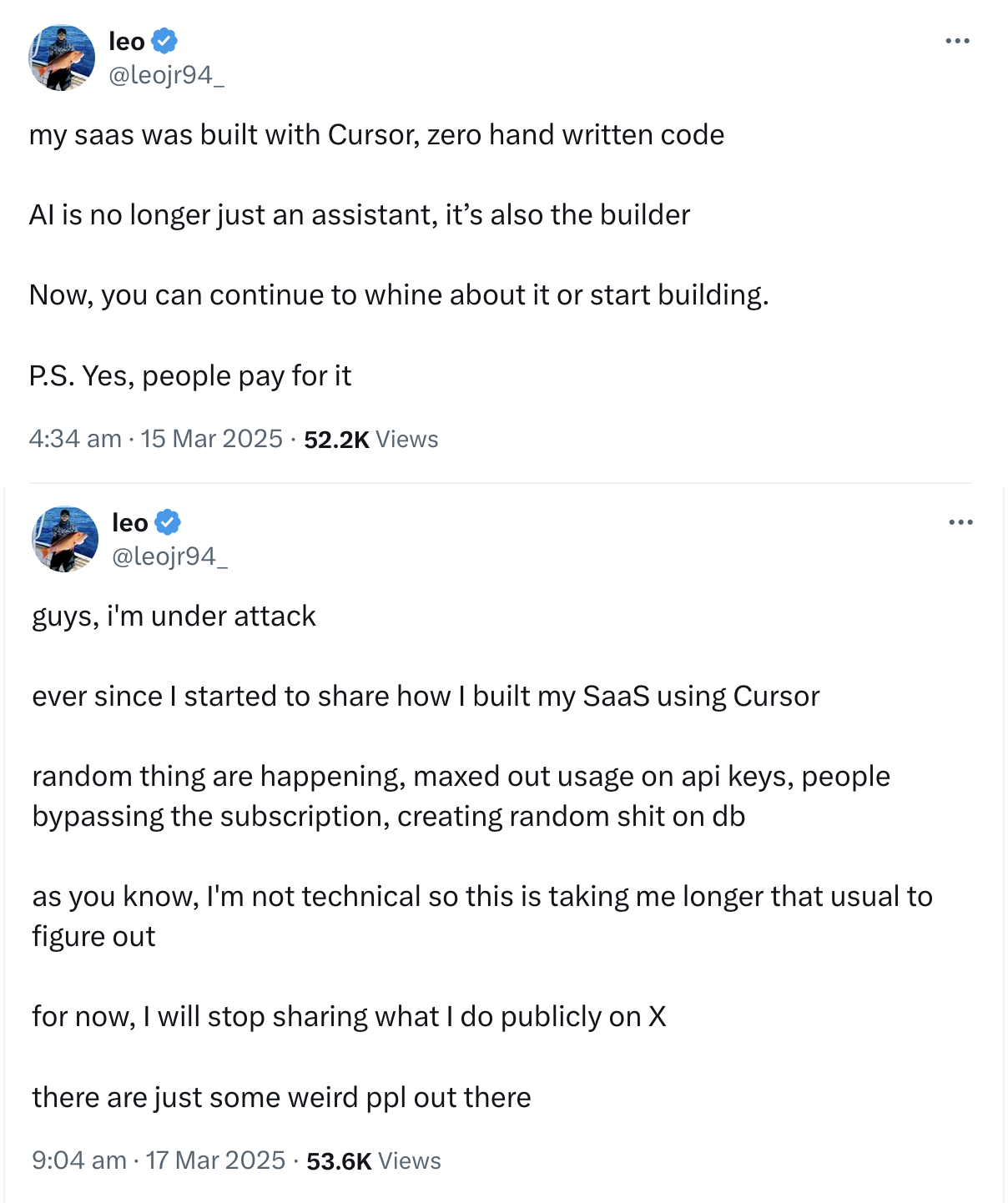
If it was correct it wouldn’t have been copied into the forums lmao
I mean
i < 10isn’t wrong as such, it’s just good practice to always use<=because in theINT_MAXcase you have to and everything should be regular because principle of least astonishment: That10might become a#define FOO 10, that then might become#define FOO INT_MAX, each of those changes look valid in isolation but if there’s only a singlei < FOOin your codebase you introduced a bug by spooky action at a distance. (overflow on int is undefined behaviour in C, in case anyone is wondering what the bug is).…never believe anyone who says “C is a simple language”. Their code is shoddy and full of bugs and they should be forced to write Rust for their own good.
But your case is wrong anyways because
i <= INT_MAXwill always be true, by definition. By your argument<is actually better because it is consistent from< 0to iterate 0 times to< INT_MAXto iterate the maximum number of times.INT_MAX + 1is the problem, not<which is the standard to write for loops and the standard for a reason.