

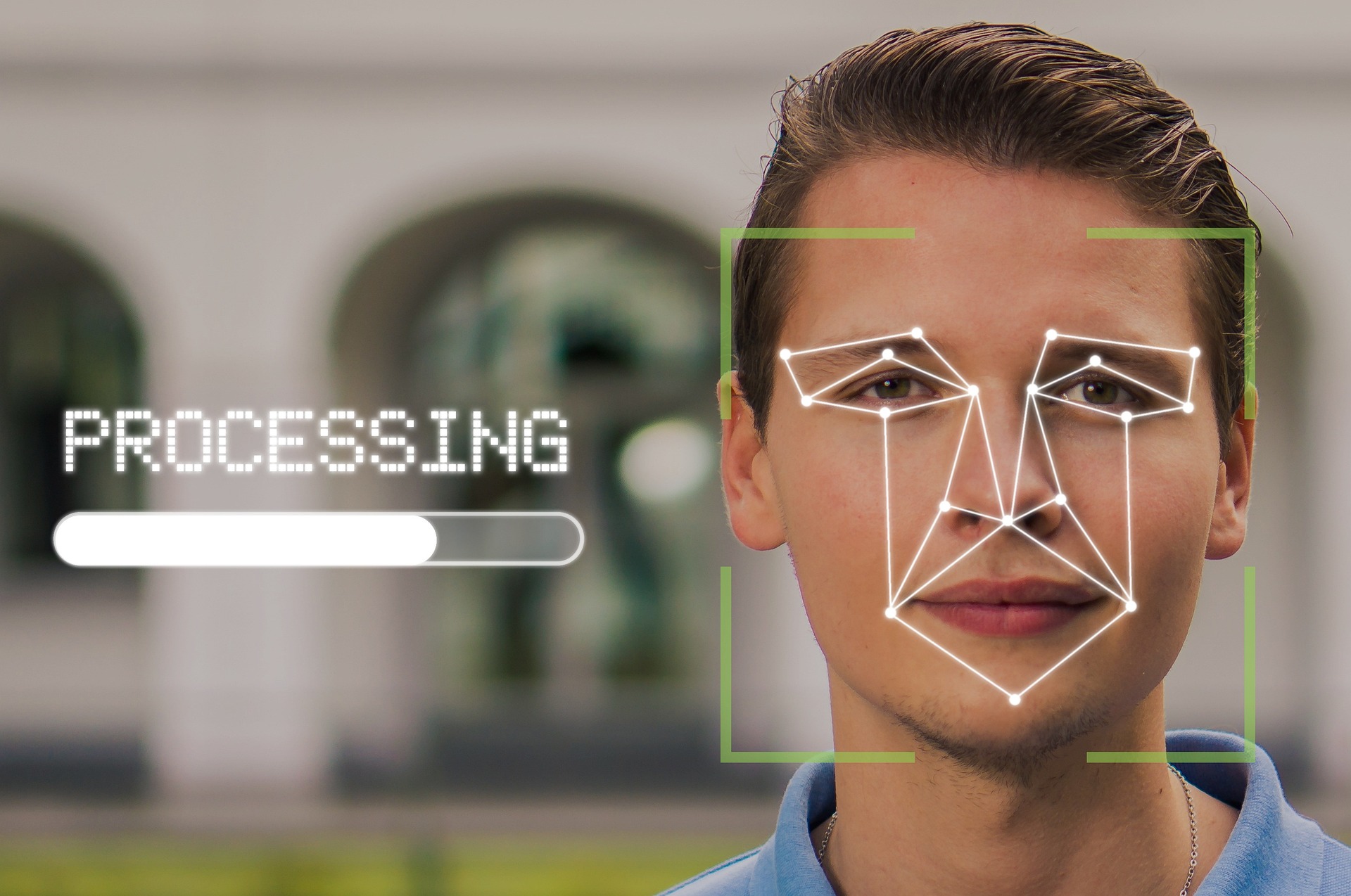
A big biometric security company in the UK, Facewatch, is in hot water after their facial recognition system caused a major snafu - the system wrongly identified a 19-year-old girl as a shoplifter.
A big biometric security company in the UK, Facewatch, is in hot water after their facial recognition system caused a major snafu - the system wrongly identified a 19-year-old girl as a shoplifter.
deleted by creator
And yet this woman was mistaken for a 19-year-old 🤔
deleted by creator
Pretty much everyone here agrees that it’s a shitty concept. Doesn’t solve anything and it’s a privacy nightmare.
This comment should be deleted soon
Meaning, 8’000 potential false positives per user globally. About 300 in US, 80 in Germany, 7 in Switzerland.
Might be enough for Iceland.
deleted by creator
I promise bro it’ll only starve like 400 people please bro I need this
deleted by creator
A single mum with no support network who can’t walk into any store without getting physically ejected, maybe?
You’re perfectly OK with 8000 people worldwide being able to charge you for their meals?
deleted by creator
Like, running a card sized piece of plastic across a reader?
It’d be nice if they were implementing this to combat credit card fraud or something similar, but that’s not how this is being deployed.
Which means the face recognition was never necessary. It’s a way for companies to build a database that will eventually get exploited. 100% guarantee.
Yeah, people with totally different facial structures get identified as the same person all the time with the “AI” facial recognition, especially if your darker skinned. Luckily (or unluckily) I’m white as can be.
I’m assuming Apple’s software is a purpose built algorithm that detects facial features and compares them, rather than the black box AI where you feed in data and it returns a result. Thats the smart way to do it, but it takes more effort.
All the time, eh? Gonna need a citation on that. And I’m not talking about just one news article that pops up every six months. And nothing that links back to the UCLA’s 2018 misleading “report”.
You assume a lot here. People have this conception that all FR systems are trained blackbox models. This is true for some systems, but not all.
The system I worked with, which ranked near the top of the NIST FRVT reports, did not use a trained AI algorithm for matching.
I’m not doing a bunch of research to prove the point. I’ve been hearing about them being wrong fairly frequently, especially on darker skinned people, for a long time now. It doesn’t matter how often it is. It sounds like you have made up your mind already.
I’m assuming that of apple because it’s been around for a few years longer than the current AI craze has been going on. We’ve been doing facial recognition for decades now, with purpose built algorithms. It’s not mucb of leap to assume that’s what they’re using.