

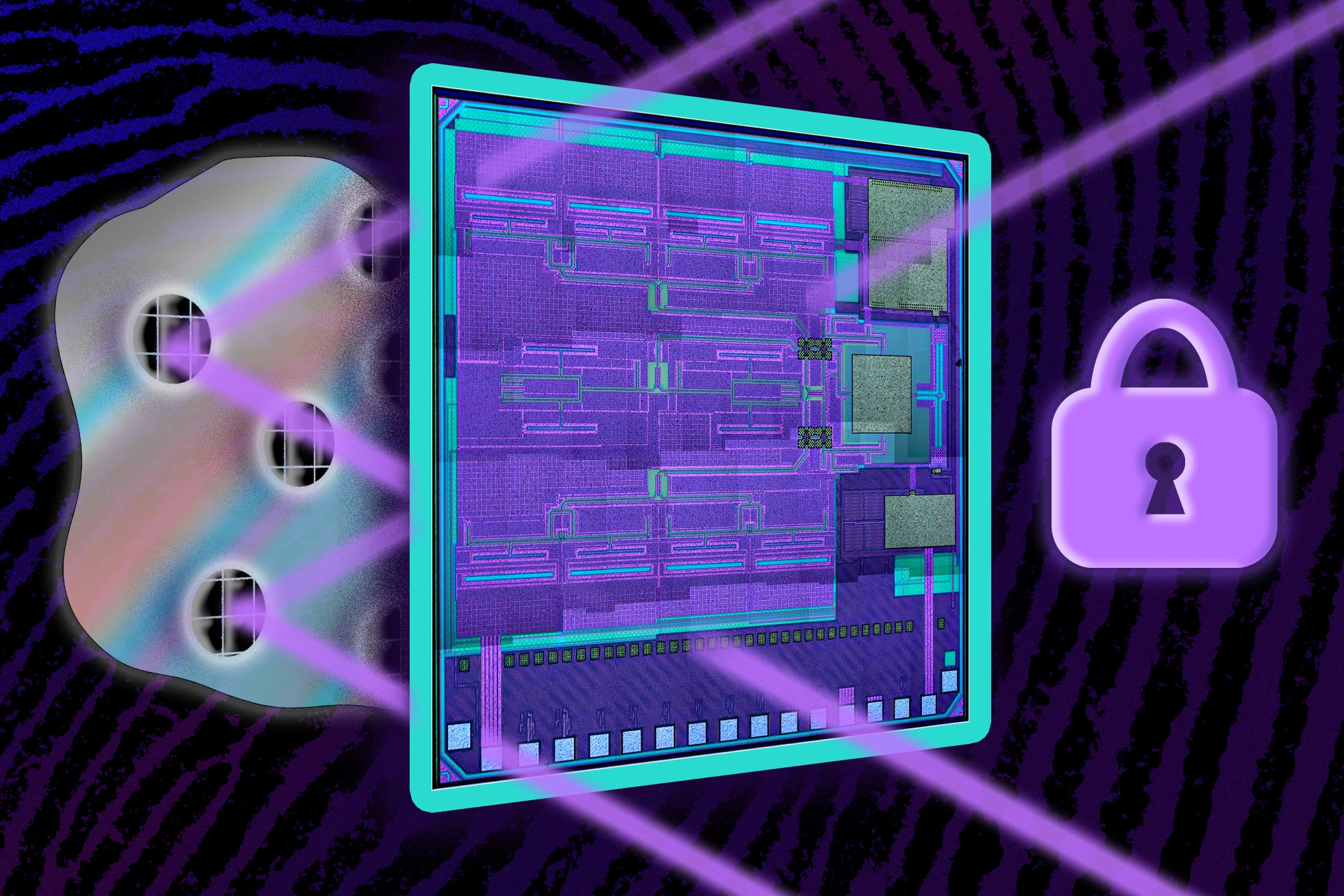
TL;DR MIT researchers have developed an antitampering ID tag that is tiny, cheap, and secure. It is several times smaller and significantly cheaper than the traditional radio frequency tags that are used to verify product authenticity. The tags use glue containing microscopic metal particles. This glue forms unique patterns that can be detected using terahertz waves. The system uses AI to compare glue patterns and calculate their similarity. The tags could be used to authenticate items too small for traditional RFIDs.
We made a tag that can’t be reliably and deterministically scanned so we also included a machine learning model that takes a good guess at it.
I just don’t see how you could possibly rely on a black box model for anything important. You have no way to mathematically prove if there are collisions in the model output or not, and newer versions of the model can’t be made backwards compatible. So if you have a database of thousands of these tags scanned, then they discover a critical vulnerability and provide a new model, you’re SOL and everything you have is worthless.
If there were collisions in the output you’d see them while scanning those thousands of entries. And if they release a new model you can use it going forward and keep scanning the old items with the old one.
This happens in inventory sometimes, new technology comes out, you have to update asset tags.
Can you imagine your house doorknob had to think about the shape of your key before letting you in, and then have the possibility of just saying “No. Not today.”?